AI is making waves in personalizing services for customers. The blog illustrates the same through various applied use case.
Why Does AI in Magento Matters Today?
Online shopping is no longer just growing, it’s exploding. By 2027, eCommerce is expected to account for almost 25% of all global retail sales. That growth comes with pressure: if your Magento store isn’t using AI tools, you risk falling behind competitors who are.
The opportunity is massive. The global retail AI market, valued at $9.36 billion in 2024, is forecast to surge past $85 billion by 2032. That means more retailers are investing in AI for Magento to boost sales, sharpen customer experience, and streamline operations.
Think about it: AI already powers the personalised product suggestions on Amazon, the way Siri or Alexa understand voice commands, and the smart chatbots that solve problems in seconds. For Magento store owners, AI integration now offers the same edge, whether it’s smarter search, predictive analytics, or Magento virtual assistants that handle support 24/7.
In short, Magento AI is not a future concept. It’s a present-day advantage that makes shopping easier for customers and running a store simpler for you.
Magento AI : Applied Use Cases and Boosting Sales with Artificial Intelligence
Smarter Shopping with Magento and AI
We’ve entered a time where online shopping is not only fast and convenient, but also intelligent and personal. This shift is powered by Magento AI. From helping customers find exactly what they need with tailored recommendations to predicting future buying habits, AI in Magento is driving some of the most connected and rewarding shopping experiences available today.
In this blog, we’ll look at real Magento AI applications that businesses are already using, boosting revenue, cutting costs, and creating customer journeys that feel effortless. From Magento machine learning for stock forecasting to AI search in Magento that delivers results in seconds, you’ll see how artificial intelligence can turn your store into a smarter, more profitable operation.
Artificial Intelligence in Magento: What It Really Means
Artificial Intelligence, or AI, is the science of making machines “think” and “act” in ways that feel human. It allows systems to learn from data, solve problems, and make decisions, a process that once required human intelligence. In today’s digital economy, AI is no longer futuristic. It’s here, and it’s already reshaping how businesses and customers interact online.
The global retail AI market, valued at £7.5 billion in 2024, is forecast to soar to more than £68 billion by 2032. That growth shows one thing: companies using AI in Magento are positioning themselves for faster sales growth and stronger customer loyalty.
Key Technologies Behind AI in Magento:
AI is powered by several technologies that work together:
Machine Learning (ML): Algorithms that spot patterns in customer behaviour and predict future actions. In Magento machine learning, this means forecasting demand, reducing stock risks, and recommending the right products.
Deep Learning: Inspired by the human brain, deep learning uses neural networks to improve decision-making over time. In Magento, it powers AI search that learns and delivers more relevant results with every customer query.
Natural Language Processing (NLP): This lets machines understand and respond in human language. Magento virtual assistants and AI chatbots use NLP to offer instant support, refunds, or product advice, reducing the need for human intervention.
Why Magento AI Matters for eCommerce?
Adding AI integration for Magento does more than just modernise a store. It directly impacts how customers shop and how businesses run:
Better Personalisation: Studies show 91% of shoppers prefer brands that recommend products based on past behaviour. Magento AI tools personalise journeys with precision.
Higher Sales: McKinsey reports that AI-powered recommendations can lift sales by 6–10%, mainly through upselling and cross-selling.
Round-the-Clock Support: AI chatbots provide instant help, cutting waiting times from days to seconds.
Fraud Detection: Magento AI tools scan transactions in real time, blocking suspicious activity before it causes damage.
Smart Inventory Management: AI predicts demand, helping retailers avoid overstocking or stockouts.
Magento AI: 10 Key Elements of eCommerce Transformation
Artificial Intelligence is no longer just a buzzword in eCommerce, it’s changing the way customers shop and the way Magento 2 stores sell. From personalised product recommendations to AI chatbots, these tools are reshaping customer journeys, cutting costs, and boosting sales. Below are ten of the most powerful applications of Magento AI that every online retailer should know.
1. AI-Powered Personalisation in Magento
Shoppers today expect more than generic suggestions. Magento AI personalisation uses customer data, like browsing behaviour, purchase history, and preferences, to show the right products to the right people. This improves user experience, increases conversions, and lifts average order value (AOV).
Example: Adobe Sensei and Nosto integrate with Magento to deliver personalised product recommendations, dynamic content, and targeted promotions.
2. Magento AI Chatbots and Virtual Assistants
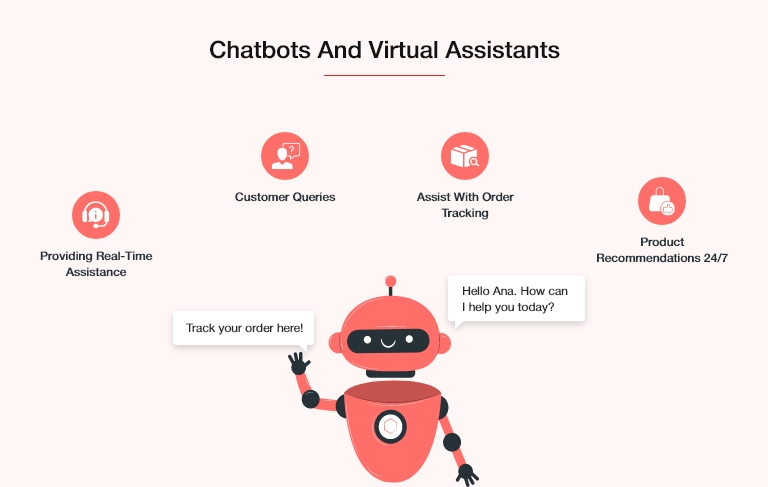
Customers don’t like waiting. AI chatbots for Magento give instant support 24/7, answering questions, tracking orders, and even recommending products. They reduce the need for human support while keeping customers engaged and satisfied.
Example: Magento merchants can use AI-powered chatbots or ChatGPT-based assistants to automate responses and improve engagement.
3. Visual Search and Image Recognition
Typing long product descriptions is tiring. With Magento AI visual search, customers can upload an image and find similar products instantly. This creates a faster and more intuitive shopping experience.
Example: Google Lens and Syte can integrate with Magento, letting users find items by uploading a picture.
4. Smart Inventory and Demand Forecasting
Running out of stock, or having too much, hurts sales. Magento AI inventory management predicts demand by analysing past sales, seasonal trends, and real-time data. This prevents overstocking, stockouts, and unnecessary costs.
Example: Tools like NetSuite and Forecast.ly integrate with Magento to help businesses make data-driven stocking decisions.
5. Magento AI for Customer Segmentation
Effective marketing starts with understanding customers. Magento AI segmentation groups users by behaviour, demographics, or purchase patterns. This allows for highly targeted campaigns that boost engagement and sales.
Example: AI-powered marketing platforms like Klaviyo and Marketo use Magento data to deliver customised email campaigns.
6. AI-Driven Pricing Optimisation in Magento
Setting the right price can make or break sales. Magento AI pricing tools scan competitor pricing, demand shifts, and market trends to adjust prices in real time. This ensures you stay competitive while protecting profit margins.
Example: Prisync and Competera integrate with Magento to automate smart pricing strategies.
7. Fraud Detection and Prevention with Magento AI
Online fraud is a growing threat. Magento AI fraud detection spots unusual transaction patterns, blocks suspicious activity, and protects your business from chargebacks. The more data it analyses, the smarter it gets.
Example: Signifyd and Kount integrate with Magento to detect and prevent fraudulent purchases.
8. AI-Powered Content and SEO Optimisation
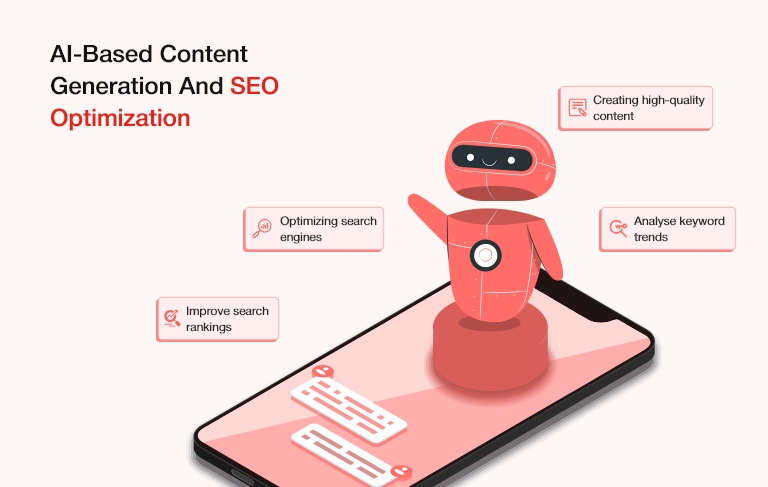
Getting found online matters. Magento AI SEO tools help create high-quality product descriptions, optimise metadata, and identify trending keywords. This drives more organic traffic to your store.
Example: SEMrush uses AI-driven insights to boost Magento store rankings and visibility.
9. Voice Search Optimisation with Magento AI
Voice search is on the rise, and Magento AI voice optimisation ensures your store is ready. AI tools structure content to match voice queries, making it easier for customers to find your products through smart speakers and mobile assistants.
Example: Algolia Voice Search and similar tools can be integrated into Magento stores to capture voice-based traffic.
10. AI-Powered Email Marketing Automation in Magento
Email is still one of the best ways to drive sales. Magento AI email automation tools analyse customer behaviour, segment audiences, and send personalised emails that nurture leads and increase repeat purchases.
Example: Omnisend and Mailchimp integrate with Magento to deliver AI-driven automated campaigns.
Why Is AI Transforming eCommerce and Magento Stores?
Artificial Intelligence isn’t just a trend anymore, it’s now one of the main reasons why online stores grow faster, operate smarter, and deliver more personalised shopping experiences. From improving marketing performance to predicting demand, the impact of AI in eCommerce is visible at every stage of the customer journey. And when you pair it with a powerful platform like Magento 2, the results are even more impressive.
Below are some of the biggest ways AI is transforming how eCommerce brands sell, engage, and scale.
1. Personalisation That Drives Conversions
AI tools in Magento analyse how customers browse, what they click, and what they buy, then use that data to show products that match their exact interests. This personalised approach doesn’t just improve the experience, it also boosts conversions.
Personalised recommendations can contribute to as much as 31% of total eCommerce revenue, and stores using them often see a 10–15% revenue increase.
2. Smarter Inventory and Supply Chain Planning
Stocking too much wastes money. Stocking too little loses sales. AI fixes both. It predicts future demand by studying order history, seasonal trends, and buying patterns. That helps Magento store owners maintain ideal stock levels, reduce waste, and fulfil orders faster.
Inventory mismanagement causes more than $630 billion in lost sales globally each year. Predictive tools in Magento can significantly reduce that number.
3. Dynamic Pricing That Adapts to the Market
AI pricing systems constantly track demand, competitor prices, and stock availability. This allows Magento to automatically adjust product prices in real time, staying competitive without cutting into profits.
Studies show that real-time pricing can increase profit margins by up to 10%, especially in highly competitive sectors like fashion and electronics.
4. Better Customer Insights for Smarter Decisions
Understanding your customers is crucial, and AI makes it easier. It examines metrics like browsing time, click paths, and conversion behaviour to reveal what’s working, and what’s not. This insight helps businesses optimise their product pages, improve site navigation, and launch marketing campaigns that resonate.
Retailers using AI for behavioural analytics have reported up to 20% higher customer retention.
5. Reduced Cart Abandonment with Intelligent Retargeting
AI-powered follow-ups, such as personalised email nudges, product reminders, or targeted ads, help recover lost sales. By re-engaging users based on their actions, Magento stores can significantly reduce abandonment rates and improve revenue recovery.
6. Faster Support and Happier Customers
AI chatbots and virtual assistants make support instant and always available. They answer questions, process orders, and resolve issues round the clock, improving customer satisfaction scores and reducing response times dramatically.
7. Better Marketing ROI Through Precision Targeting
AI doesn’t just automate marketing, it makes it smarter. By segmenting customers more precisely and targeting ads more accurately, Magento stores can reduce cost per acquisition (CPA) while increasing return on ad spend (ROAS).
The Future of AI and Magento: What’s Coming Next
AI is moving fast, and its future in eCommerce is even more exciting. As customer expectations grow and technology evolves, the next wave of Magento AI innovation will make online shopping more immersive, predictive, and personal than ever before. Here’s a glimpse of what’s ahead.
1. Hyper-Personalisation with Real-Time Intelligence
Tomorrow’s AI won’t rely only on past behaviour. It will combine real-time data from websites, mobile apps, and even physical stores to tailor experiences in the moment. That means truly individualised offers, pricing, and recommendations based on live context, not just history.
2. Conversational Commerce Gets Smarter
AI chatbots are evolving from simple Q&A tools into intelligent shopping assistants. With generative AI, they’ll be able to guide purchases, suggest add-ons, manage returns, and even negotiate discounts, all while chatting naturally with customers.
3. Augmented Reality (AR) and Virtual Try-Ons
AR shopping experiences are set to become mainstream. AI-driven try-on tools will allow shoppers to “see” how clothes fit, how furniture looks in their space, or how makeup suits their skin, all before clicking ‘buy’. This added confidence reduces returns and boosts conversion rates.
71% of customers say they would shop more often if they could try products virtually.
4. Voice Shopping Will Become Routine
The way we shop online is changing, and voice is leading the charge. As AI-powered voice assistants like Alexa, Siri, and Google Assistant become more accurate, voice commerce is expected to grow by $55 billion between 2021 and 2026. Magento stores that optimise for voice search will capture this rising audience.
5. Stronger Fraud Protection with Predictive AI
Online payment fraud is expected to exceed $360 billion by 2028, but AI will fight back. Next-generation security systems will use behavioural patterns and predictive modelling to detect threats earlier and stop fraudulent transactions in real time.
6. AI Meets IoT for Smarter Operations
As the Internet of Things (IoT) expands, with over 75 billion connected devices expected by 2025. AI-powered Magento stores will tap into this data to improve supply chain visibility, optimise warehouse management, and even deliver predictive maintenance for physical products.
7. Ethical AI and Transparent Data Use
As customers become more privacy-conscious, the future of AI in eCommerce will focus on trust and transparency. Businesses will need to communicate how data is collected, stored, and used, building stronger customer relationships through ethical AI practices.
Closing Thoughts on Magento AI for eCommerce
Artificial Intelligence is no longer an optional add-on for eCommerce, it’s becoming the backbone of successful online stores. When paired with the flexibility of Magento, AI doesn’t just improve operations; it transforms the entire shopping journey. From creating hyper-personalised experiences to predicting customer demand, AI-driven Magento solutions are helping businesses grow revenue while reducing costs.
Think of it this way: personalization drives higher conversions, predictive analytics ensures you never run out of stock, and intelligent chatbots keep customers engaged 24/7. On the backend, AI streamlines inventory, adjusts pricing in real time, and even flags fraud before it happens. The result? Happier customers, smarter decisions, and stronger profit margins.
The global AI in the retail market is projected to cross $55 billion by 2030, proving that businesses adopting AI now are not just keeping pace, they’re gaining a competitive edge. The earlier you act, the greater the long-term advantage in this fast-changing digital landscape.
If you’re serious about leveraging AI in Magento, don’t go at it alone. Partnering with experts ensures that every solution, from chatbots to recommendation engines, is tailored to your goals.
At IDS Logic, we help businesses integrate Magento AI tools that increase sales, improve customer loyalty, and future-proof their eCommerce strategy.
Frequently Asked Questions
Q1. Why should businesses adopt AI in Magento?
AI integration makes Magento smarter and more profitable. It helps online stores deliver personalised shopping experiences, reduce cart abandonment, optimise marketing spend, and improve operational efficiency. Businesses that use AI often report higher conversions and stronger brand loyalty.
Q2. Can AI really boost sales and customer engagement?
Absolutely. AI-powered product recommendations alone can generate up to 31% of eCommerce revenue. When combined with dynamic pricing, smart retargeting, and predictive promotions, Magento AI keeps customers engaged and increases their likelihood of repeat purchases.
Q3. How does Magento AI improve inventory and logistics?
AI studies buying trends and seasonal demand to help retailers keep the right stock at the right time. This reduces overstocking and prevents costly stockouts. It also powers predictive logistics, which shortens delivery times and improves customer satisfaction.
Q4. Is Magento AI affordable for mid-sized businesses?
Yes. AI isn’t just for big retailers anymore. Magento offers flexible integration options, so you can start with small AI tools, like chatbots or recommendation engines, and scale as your business grows. Many mid-sized companies see a quick ROI thanks to higher conversions and reduced waste.
Q5. What are the key AI trends shaping Magento’s future?
The future of Magento eCommerce will see voice-assisted shopping, AR-powered try-ons, advanced fraud detection, and AI-driven IoT integrations. These innovations will redefine how customers browse, shop, and interact with brands online.