The duration of website maintenance services depends upon a number of factors. the blog explains about the same.
Owning a website is not a one-off task. It comes with continuous responsibilities, and website maintenance services are among the most important. From routine updates to fixing bugs, every website requires regular attention to stay secure, fast, and reliable.
One common question businesses often ask is: “How long does website maintenance take?” The truth is, the answer varies. The duration depends on the type of updates, the complexity of your site, and whether you need ongoing website maintenance or just a one-time fix.
In today’s fast-paced digital landscape, where users expect instant access and seamless experiences, you can’t afford to ignore maintenance of a website. Outdated sites not only slow down performance but also put your business at risk of downtime, security breaches, and lost revenue.
Whether you’re running a WordPress site or a bespoke platform, understanding the factors that affect the time and cost of website maintenance services UK will help you plan ahead.
In this blog, we’ll explore – why website support and maintenance services are essential, what impacts the time it takes to complete updates, and how to keep your site running smoothly with the right plan.
Understanding the Complexity of Website Maintenance
Website maintenance services go far beyond launching a site. Once your website is live, the real work begins. From regular updates and bug fixes to adding new content and improving speed, maintenance of a website is a continuous process.
It’s not just about keeping things running. Proper website support and maintenance services ensure your site stays secure, loads quickly, and provides a smooth user experience. Without this, even the best-designed site can become outdated, vulnerable, or slow over time.
The time needed for website maintenance and support services can vary. A small WordPress blog might only need quick plugin and theme updates, while a complex e-commerce store may require ongoing security monitoring, backups, and performance tuning.
The complexity of website maintenance depends on your platform, the amount of content, traffic levels, and how often you want improvements. The more dynamic and feature-rich your site, the more regular care it will need.
Factors that Affect the Duration of Website Maintenance
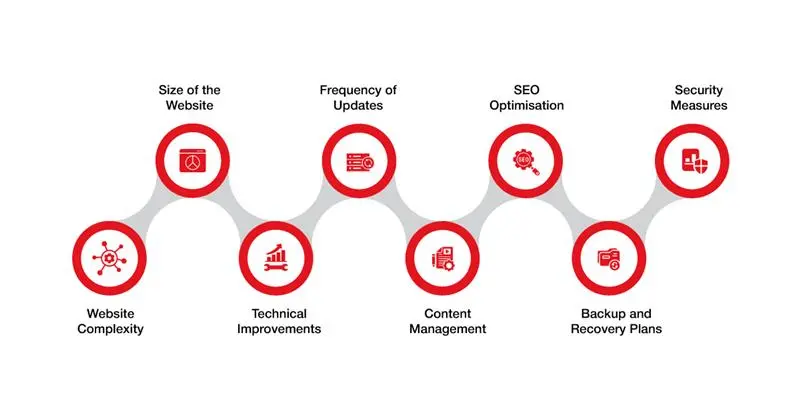
Website maintenance is not a one-size-fits-all process. The time it takes to complete depends on multiple variables such as the type of website, frequency of updates, and level of technical improvements required. Below, we look at the key factors that influence the duration of website maintenance services in the UK.
1. Website Complexity
The complexity of your website is one of the biggest influences on maintenance time. A basic static site may only need periodic updates and broken link checks. On the other hand, a feature-rich e-commerce platform requires constant oversight – updating product listings, managing inventory, testing payment gateways, and optimising performance. The more interactive features and integrations your site has, the more time maintenance will take.
2. Size of the Website
The overall size of a site also affects how long website support and maintenance services will take. A small brochure-style website may only require light monitoring and occasional updates. By contrast, a large corporate or enterprise site with hundreds of pages, videos, and forms demands thorough validation after every update. Each page, file, and media element must be tested to maintain a seamless user experience, making the process more time-consuming.
3. Technical Improvements
Technical enhancements, such as speed optimisation, website hosting and maintenance upgrades, and mobile responsiveness improvements, can extend maintenance timelines. With today’s mobile-first users, websites need to be fully optimised across devices and screen sizes. Keeping up with new technologies and usability standards adds to the ongoing maintenance effort.
4. Frequency of Updates
Websites that are updated frequently will naturally require more support. Updates may include security patches, plugin upgrades, and content refreshes. Regular updates are critical for performance and safety, but they also add to the total maintenance time. Businesses that invest in ongoing website maintenance plans benefit from having these updates handled smoothly without disruption.
5. Content Management
Fresh, accurate content is essential to keep users engaged and to support SEO rankings. Updating blogs, news articles, case studies, and product details requires consistent effort. For e-commerce businesses, this also includes managing descriptions, prices, and images. The more frequently you publish or revise content, the more time maintenance will require.
6. SEO Optimisation
SEO maintenance is a continuous process, not a one-time task. Updating meta tags, refining keywords, improving page speed, and enhancing technical SEO all take time. Since search engine algorithms change regularly, ongoing optimisation is vital to maintain visibility. This adds a permanent layer of work to your maintenance plan.
7. Backup and Recovery Plans
Every professional website maintenance and support service should include a backup and recovery system. Setting up automatic backups and periodically testing recovery processes ensures the site can be restored quickly in case of downtime or data loss. These tasks add to the duration of maintenance but are essential for protecting business continuity.
8. Security Measures
Cybersecurity is one of the most time-intensive aspects of website maintenance. Regular malware scans, firewall monitoring, SSL certificate renewals, and security patching must be carried out to protect sensitive business and customer data. These tasks may feel time-consuming, but without them, the risks of downtime, breaches, or reputational damage are far greater.
Read More: What Things Should Be Included in Website Maintenance Plans?
How Long Does Website Maintenance Take: Key Considerations
Understanding the timeframe for website maintenance services is vital for business owners who want to keep their sites secure, fast, and user-friendly. The actual duration depends not only on the complexity of the website but also on how effectively you plan and manage the process. Here are some important strategies to ensure efficiency.
1. Prioritise Critical Tasks
When working on website support and maintenance services, prioritisation is essential. Critical tasks such as fixing broken payment gateways, applying urgent security patches, or restoring a website that is down must always come first. Just as a doctor addresses emergencies before routine check-ups, website owners should focus resources on urgent fixes that directly affect functionality or customer experience.
2. Use Automation for Routine Work
Automation tools can save significant time by handling repetitive tasks such as plugin updates, database backups, and uptime monitoring. By integrating automation into your website hosting and maintenance services, you ensure consistency while reducing the chance of human error. This approach streamlines routine work, allowing more time to focus on technical improvements and long-term optimisation.
3. Consider Outsourcing to Experts
Outsourcing website maintenance services UK can be a smart move, especially for businesses without in-house technical teams. By relying on experienced professionals, you gain access to up-to-date knowledge of the latest web technologies, cybersecurity practices, and optimisation techniques. This not only speeds up the process but also ensures your website is maintained to industry standards.
4. Carry Out Regular Audits
Routine audits are an important part of ongoing website maintenance and support services. These reviews assess areas such as security protocols, backup procedures, SEO performance, and content accuracy. By identifying gaps early, you can address them before they escalate into major issues. Regular audits help keep your site resilient, secure, and aligned with user expectations.
Why Are Website Maintenance Services Essential for Business Success?
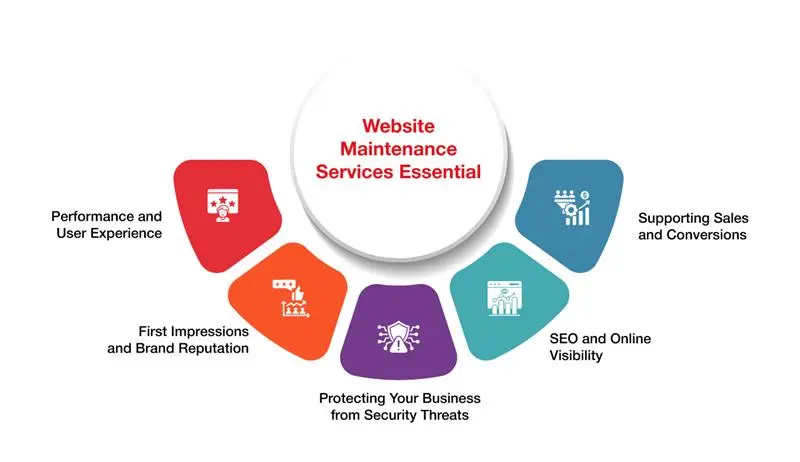
In today’s competitive digital marketplace, your website acts as the front door to your brand. Neglecting regular website support and maintenance services can harm user experience, damage credibility, and even impact your bottom line. Here’s why investing in consistent upkeep is non-negotiable for UK businesses.
1. Performance and User Experience
A slow-loading site or broken functionality will push visitors away before they have the chance to engage. Regular ongoing website maintenance ensures fast performance, smooth navigation, and responsive design, creating the kind of seamless customer experience that keeps people coming back.
2. First Impressions and Brand Reputation
Your website is often the first interaction potential clients have with your business. Outdated content, broken links, or errors can damage trust instantly. On the other hand, fresh content and a fully functional site reflect professionalism, giving users the confidence to explore further.
3. Protecting Your Business from Security Threats
Cybersecurity is a growing concern, especially for businesses handling customer data and online transactions. Without routine website maintenance and support services, your site becomes vulnerable to malware, data breaches, and hacking attempts. Regular security patches, SSL certification, and malware scans help safeguard both your brand and your customers.
4. SEO and Online Visibility
Search engines favour websites that are updated, error-free, and mobile-friendly. Technical SEO checks, content updates, and link optimisation, key aspects of WordPress website maintenance services play a vital role in keeping your site visible in Google search results. Ignoring SEO-focused maintenance risks lower rankings and reduced organic traffic.
5. Supporting Sales and Conversions
From smooth checkout processes on e-commerce sites to working contact forms on service websites, proper website design and maintenance services directly influence lead generation and revenue. A well-maintained site reduces friction in the customer journey, leading to more enquiries, purchases, and repeat business.
Read more: How Regular Website Maintenance can Upscale Business performance?
Final Thoughts: Achieve Long-Term Success With Website Maintenance
Website maintenance services are not a one-time activity but an ongoing commitment to keeping your online presence secure, updated, and high-performing. The time required for maintenance depends on factors such as your website’s size, design complexity, frequency of updates, and business goals. For example, large eCommerce stores with dynamic content and payment integrations require more frequent monitoring compared to small business websites.
By investing in consistent website maintenance, businesses can:
- Strengthen website security against cyber threats.
- Improve loading speed and overall performance.
- Support SEO efforts with regular technical audits and content updates.
- Deliver a seamless user experience that converts visitors into customers.
The real success lies in striking the right balance, ensuring your website is always functional and reliable, while optimising resources for efficiency. Whether you manage updates in-house or outsource to experts, prioritising maintenance is essential for long-term growth and digital success.
Frequently Asked Questions
Q1. How does website maintenance impact customer trust?
Consistent website maintenance directly influences how much users trust your brand. A slow, outdated, or broken website can create doubts about professionalism and reliability. On the other hand, a regularly updated site with secure payment gateways, functional forms, and accurate content reassures visitors that your business is credible and trustworthy.
Q2. Can neglecting maintenance affect my digital marketing campaigns?
Yes. A poorly maintained website can reduce the effectiveness of your digital marketing spend. For example, if ads drive traffic to a page with broken links, slow load times, or outdated information, conversion rates drop. Regular maintenance ensures that landing pages, CTAs, and tracking scripts work seamlessly, maximising ROI on paid and organic campaigns.
Q3. What role does website maintenance play in mobile optimisation?
With mobile traffic surpassing desktop usage globally, maintaining mobile responsiveness is critical. Regular maintenance checks help identify issues with layouts, navigation, and loading speeds across different devices. Without this, your website may provide a poor user experience for mobile users, which can negatively impact SEO rankings and conversions.
Q4. How does ongoing maintenance prepare a website for scalability?
Businesses planning to expand need websites that can scale smoothly. Maintenance ensures the infrastructure, plugins, hosting, and security are regularly updated to handle more visitors, transactions, and data. Proactive upkeep prevents bottlenecks, downtime, or crashes during high-traffic events like sales campaigns or product launches.
Q5. Does website maintenance influence compliance with regulations?
Yes. Regular maintenance helps ensure your website complies with legal and industry regulations such as GDPR, HIPAA, COPPA, accessibility standards (WCAG), and data protection laws. Failing to keep your website updated can expose your business to fines, lawsuits, and reputational damage. Maintenance ensures privacy policies, cookie notices, and accessibility features remain accurate and compliant.